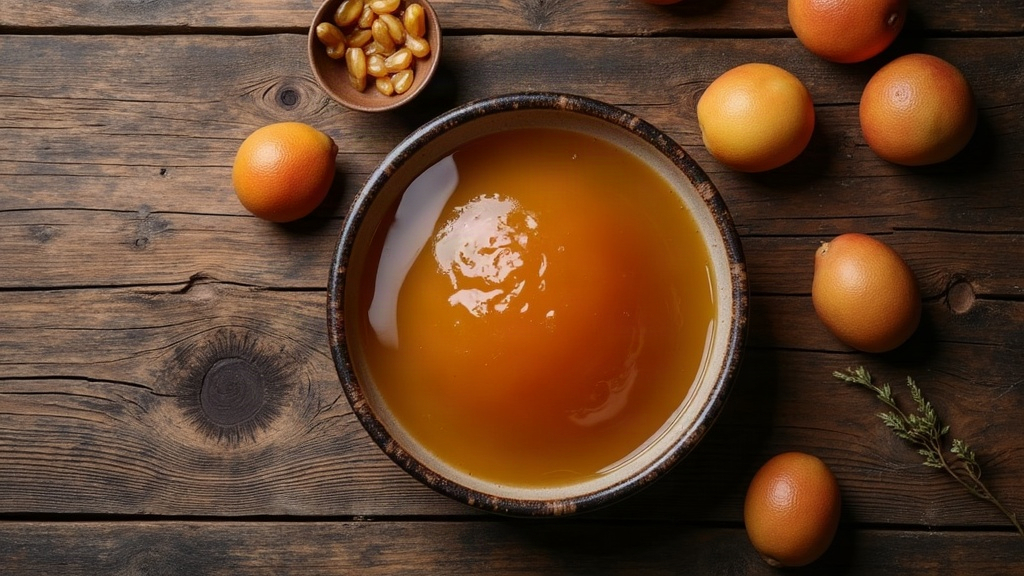
Women's Wellness · Educational

What Your Morning Routine Never Told You About Gelatin

Before the coffee, before the rush out the door — a quiet look at why gelatin keeps showing up in conversations about collagen, fullness, and everyday habits for women.

Women's Wellness  ·  Natural Habits  ·  Educational Content  ·  Women's Wellness

What Changes Quietly Over Time

Long before any scale moves, several things are shifting under the surface. Here’s what the daily routine rarely addresses.

Collagen Decline

Natural collagen production slows gradually, and gelatin — a cooked form of collagen — is one of the oldest ingredients associated with this topic.

Shifting Satiety Signals

How full a meal feels can change over the years, often without anyone noticing the pattern until it's already established.

Lean Mass Conversations

Body composition discussions increasingly focus on maintaining lean mass, not just watching a number on a scale.

The Traditional Diet Gap

Many traditional diets included gelatin-rich foods as a matter of course — a habit that largely disappeared from modern routines.

Myths vs Facts: Metabolism & Weight Talk

A lot of casual advice about women’s metabolism doesn’t hold up well once you look closer. Three common claims, examined.

MYTH

Metabolism just ‘slows down’ and there’s nothing to learn about it.

FACT

Metabolic changes are influenced by many everyday factors, including habits, sleep, and nutrition patterns — it’s more nuanced than a single switch.

MYTH

Only cutting calories matters for body composition.

FACT

Body composition conversations increasingly include protein quality and habits, not just calorie counts alone.

MYTH

Collagen and gelatin are unrelated to daily nutrition.

FACT

Gelatin is simply cooked collagen, and it has a long culinary history precisely because of that nutritional connection.

A Simple Way To Look At The Habit

No complicated protocol — just a structured way to think about how gelatin fits into an existing routine.

01

Notice The Pattern

Start by paying attention to how meals and snacks already fit into the day, without judgment.

02

Learn The Ingredient

Understand what gelatin is, where it historically came from, and why it was once a kitchen staple.

03

Consider The Fit

Decide, with a healthcare professional if needed, whether this traditional ingredient has a place in your own routine.

An Old Kitchen Habit, Mostly Forgotten

Long before supplement aisles existed, resourceful cooks simmered bones and connective tissue for hours to make gelatin-rich broths and stocks. It wasn’t a trend — it was simply how kitchens worked. Nothing was wasted, and the resulting gelatin found its way into soups, aspics, and desserts across many cultures. Somewhere along the way, as convenience foods took over, this slow tradition quietly faded from most modern routines.

The interesting part isn’t that gelatin is new — it’s that it’s old, and it mostly disappeared without anyone deciding to remove it on purpose.

Signs Worth Paying Attention To

Changing Hunger Cues

Feeling hungry again shortly after eating, more often than before.

Skin Feeling Different

Noticing changes in skin texture or elasticity over time.

Joint Stiffness

New stiffness or discomfort after periods of inactivity.

Stubborn Scale Patterns

The number on the scale behaving differently than it used to, despite similar habits.

Afternoon Energy Dips

A noticeable slump in energy that wasn't there a few years ago.

Brittle Nails

Nails that seem to break or peel more easily than before.

What Women Are Saying

I started reading about this because a friend mentioned it, and it made me look at my own morning routine differently. Individual results may vary.

Renata Alves
Illustrative account
The historical part was what got me curious — I didn't expect an old kitchen ingredient to come up in modern wellness conversations. Individual results may vary.
Denise Ferreira
Illustrative account
It's not a magic fix, but understanding the 'why' behind the habit made it easier to stick with. Individual results may vary.
Camila Rocha
Illustrative account

Testimonials reflect individual opinions and experiences. They are not a guarantee of any outcome, and individual results may vary.

Frequently Asked Questions

Hydrolyzed gelatin is gelatin that has been broken down into smaller components, which changes how it dissolves and is used, compared to traditional sheet or powdered gelatin.

Gelatin is derived from collagen through a cooking process. They are closely related but not identical in structure.

No. This content is educational and general in nature. It is not intended to diagnose, treat, cure, or prevent any condition.

Many cultures historically used gelatin-rich broths, stocks, and desserts as part of everyday cooking practices.

No. This page discusses habits, ingredients, and general wellness topics without making weight-loss claims.

Yes. Speaking with a qualified healthcare professional is recommended before making any changes to diet or supplement habits.

The video linked on this page walks through the topic in more detail and is a good starting point for further reading.

Curious How This Fits Into Your Routine?

Watch the full explanation to understand the history, the habit, and the reasoning behind the conversation around gelatin.

Advertising Disclosure: This page contains sponsored content and affiliate links. We may receive compensation if you click on or make purchases via links on this page. This helps support the content we provide.

Content Disclaimer: The content on this page is for educational purposes only. It has not been evaluated by the FDA. It is not intended to diagnose, treat, cure, or prevent any disease. Always consult a qualified healthcare professional before making changes to your diet, exercise, or supplement routine.

Results Disclaimer: Individual results may vary. Testimonials shared on this page reflect personal opinions and experiences and are not a guarantee of any specific outcome.

© 2026 · All Rights Reserved · Contact